Before class on Thursday, Jan. 5,
- Please watch the 3 videos below (21 min, 13 min, 21 min). A note packet was handed out in class.
- Please make a comment.
1st Video
2nd Video
3rd Video: Rates of Reactions and Rate Laws
Before class on Thursday, Jan. 5,
1st Video
2nd Video
3rd Video: Rates of Reactions and Rate Laws
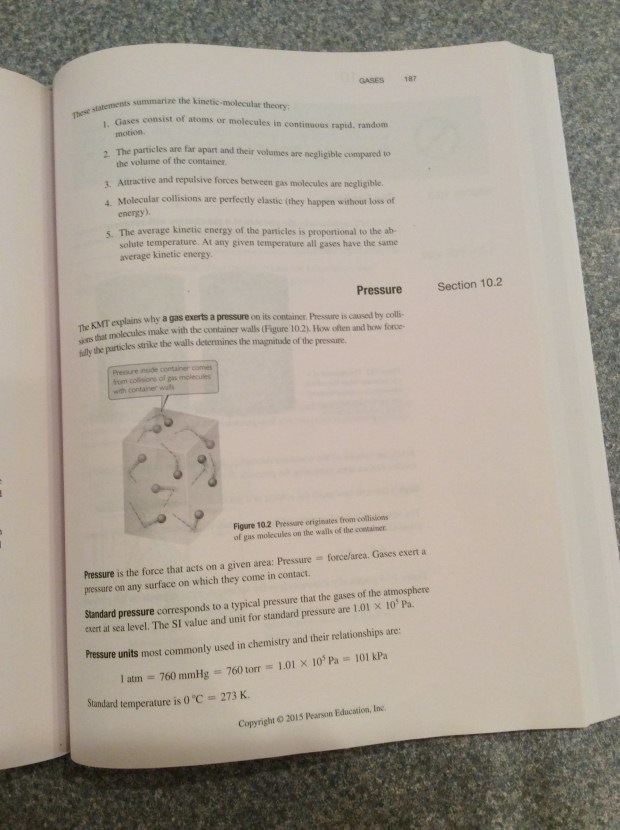
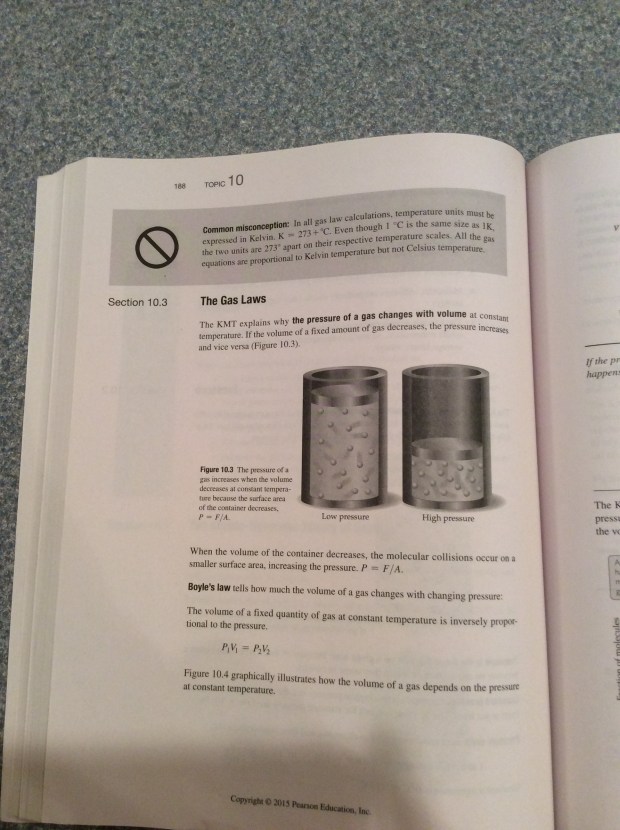
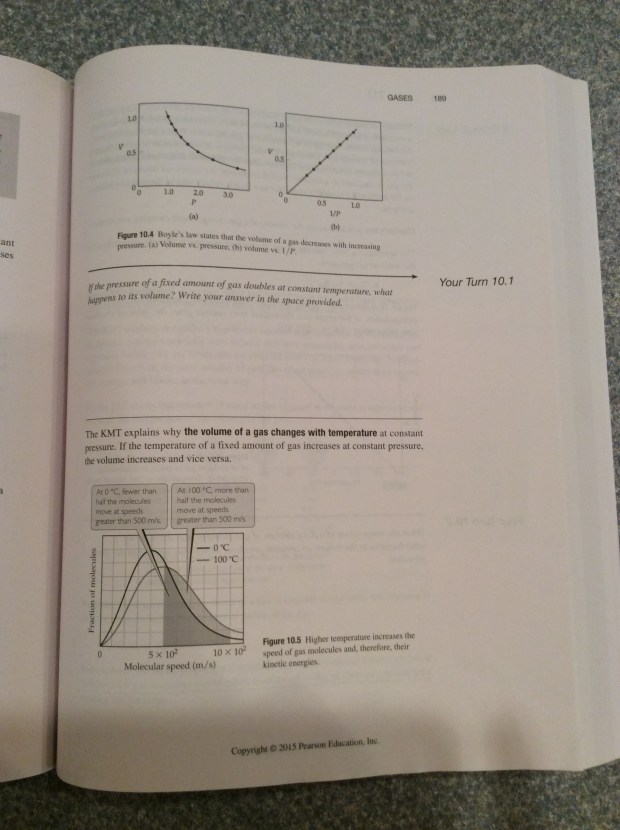
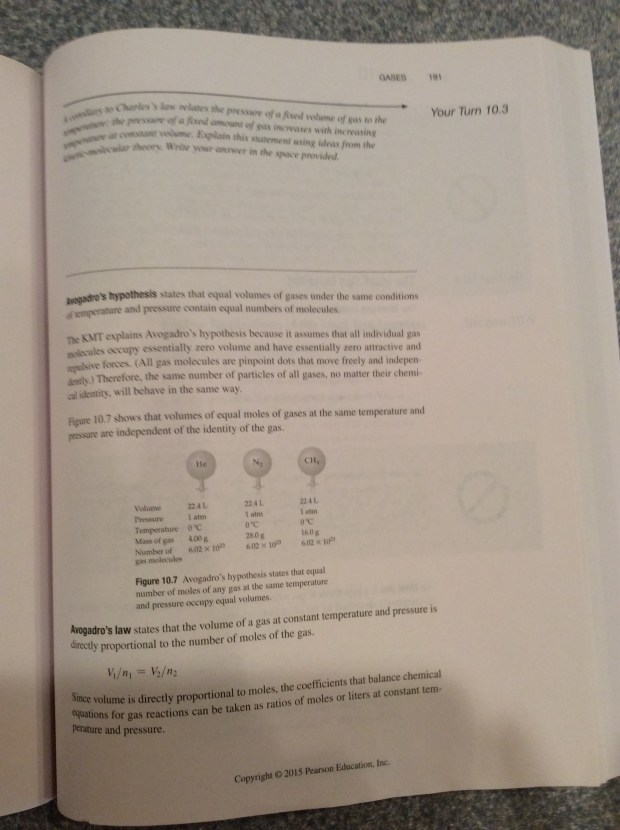
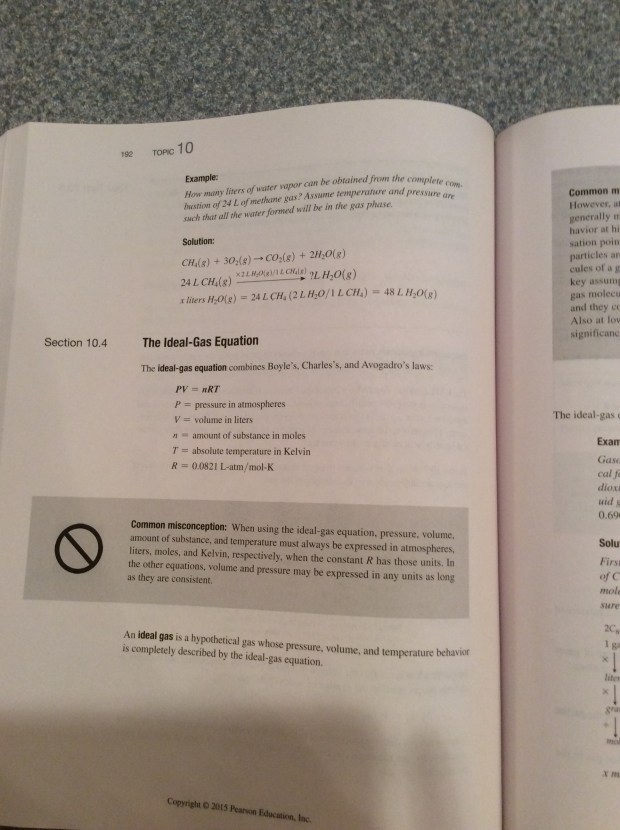
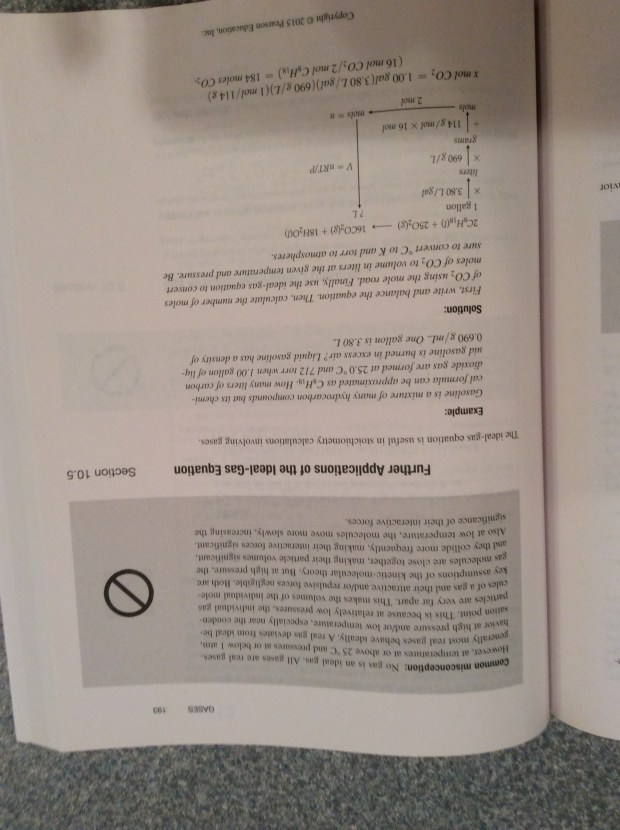
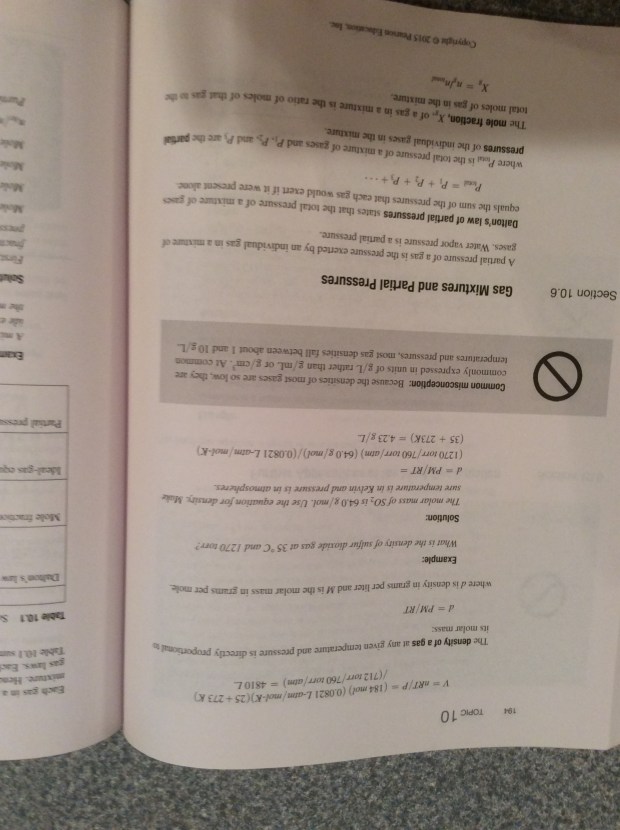
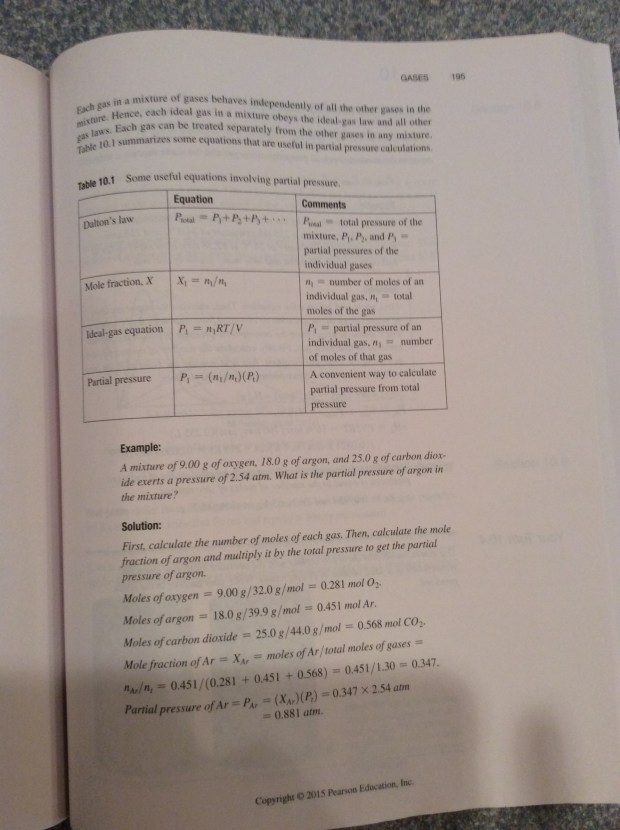
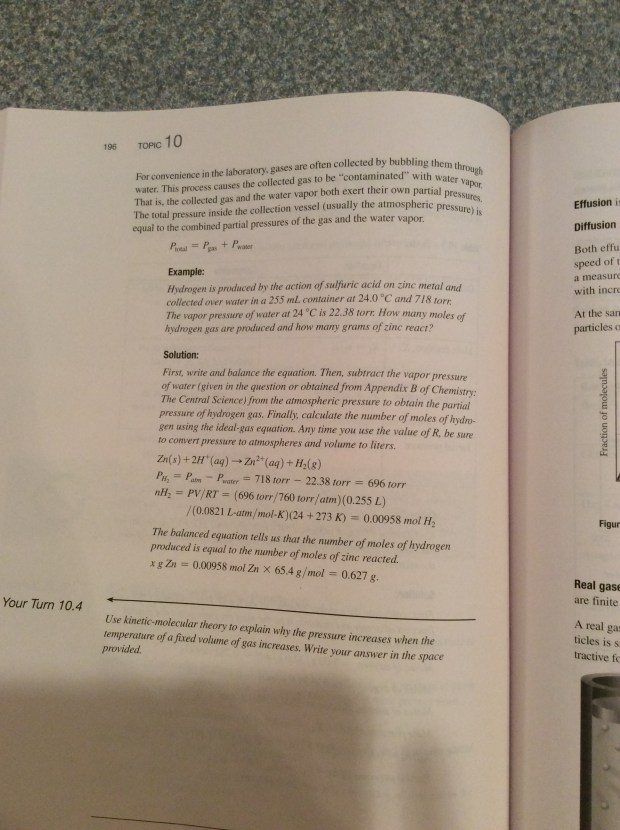
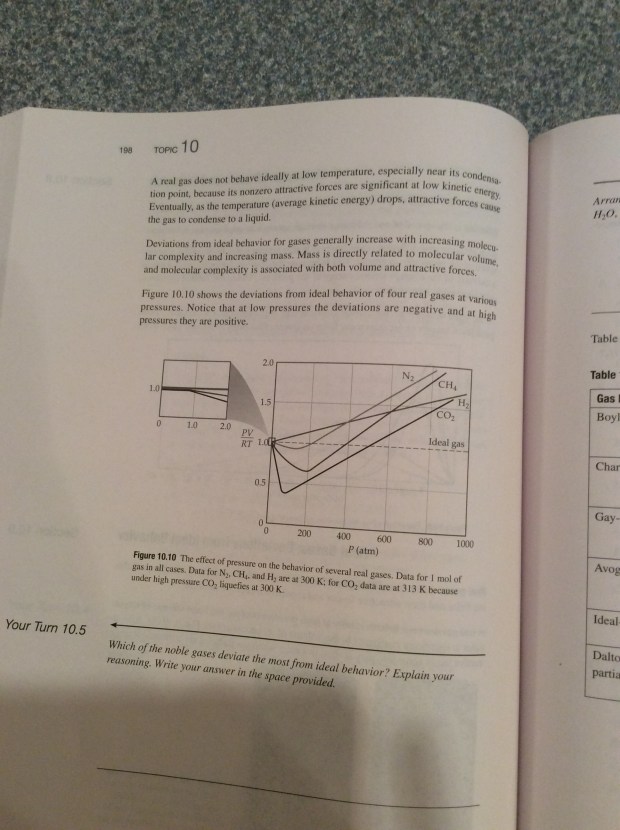
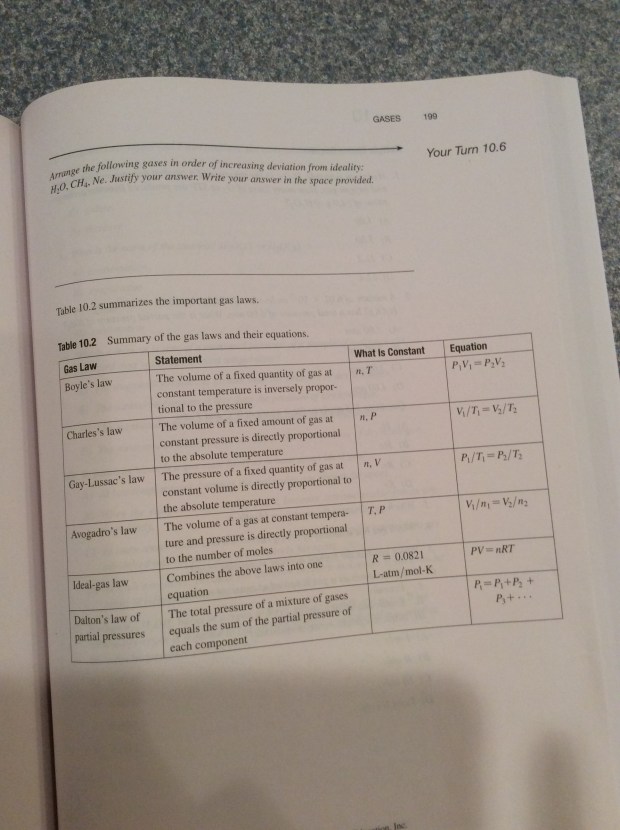
I am posting photos I took of the gas packet, in case you are missing yours. I will also post answers to the problems later this weekend, as well as extra gas practice problems later this weekend


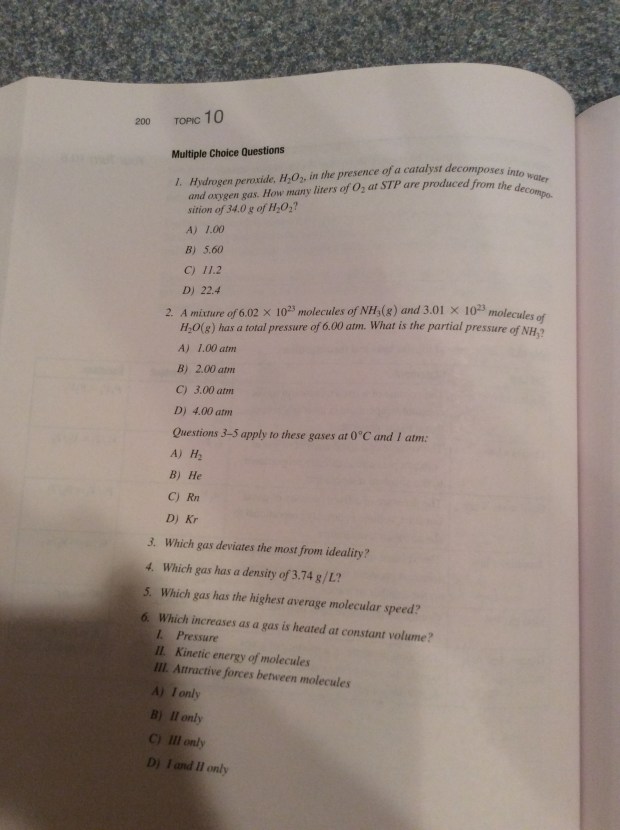
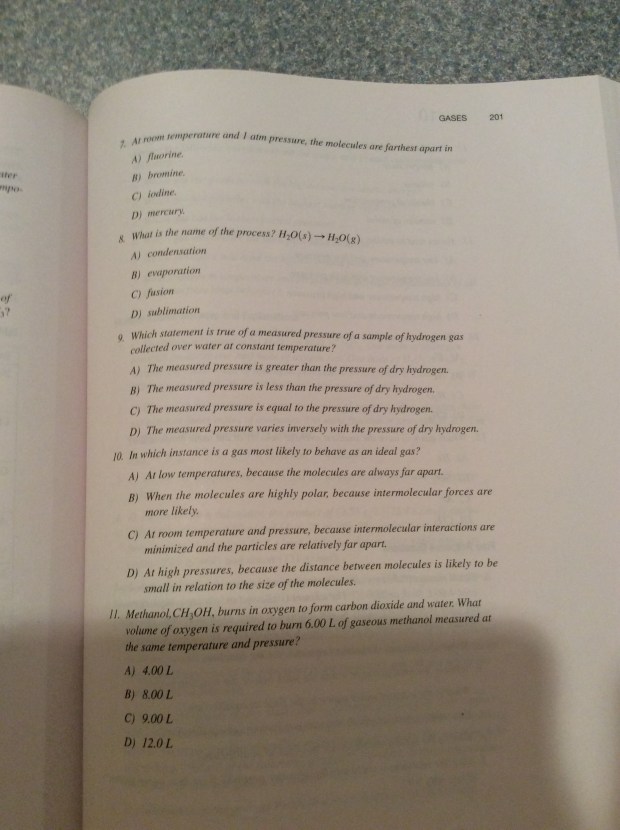
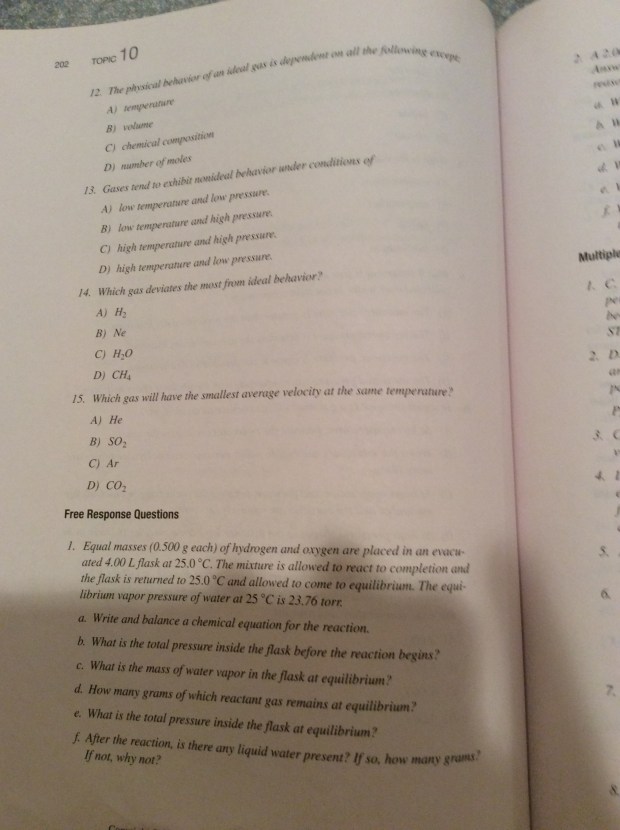
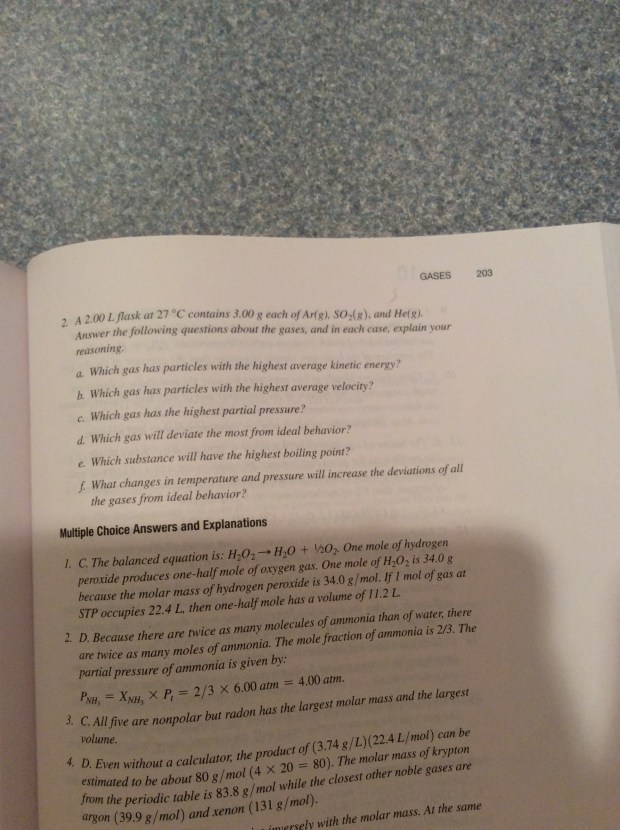
Before class on Tuesday, Jan. 3:
If you have questions on this material, please email me at suzanne.irwin@lcps.org or send me a remind text. We will be practicing gas problems and discussiong how the structure of molecules affects the properties of solids, liquids, solutions and gases on our first day back. We will start our next unit, on Kinetics, on Jan. 5 . You will have a unit test/quiz on Solids, Liquids, Solutions, Gases and their properties on Monday, Jan. 9.
Gas Laws Part 2: Pressure and Volume
Gas Laws: Charles, Combined, Avogadro’s
How to use ideal gas law with density problem (this is the 4th video, even though is says Gases part 5):
How to use ideal gas law to find the molar mass of a gas:
Using the ideal gas law with stoichiometry problems to find out how much of something you have:
Partial Pressures and Effusion and Diffusion
How real gases differ from “ideal gases”
Before class on Tuesday, Dec. 20, please watch the 15 min video below.
Before class on Wednesday, Dec. 14,
Before class on Tuesday:
sdf
Our Unit 3 Test will be on how we find out how much of a substance we have: using moles, or percent composition. It will also include questions on ionic bonding and naming and writing formulas for ionic compounds. Here is the blank study guide. I recommend that you complete the study guide and make sure you know how to do the problems for each learning target. I will post the answers on Sunday, Dec. 4.
Before class on Nov. 30:
Before class on Nov. 28, please watch the following videos. I did not make these videos, but I think the instructor uses computer animation and analogies in a way that is very helpful. There are 6 videos, and each video is 4 minutes or less, so you have in total between 22 and 24 minutes of videos.
These videos define lattice energy as the energy required to break apart an ionic formula into separate, infinitely spaced gaseous ions. WE are defining lattice energy in the OPPOSITE way– as the energy released when two gaseous ions come together. So our lattice energies will be exothermic, or negative. However, everything else about thee videos applies.
Also, here is the answer key for the


Lattice Energy Worksheet. Be prepared to discuss on Monday.
Here you will find a study guide for the quiz on Monday. Text me or email me if you have any questions.study-guide-atomic-structure
 chemistry matters